

Tailor vs Alterations: Which Is Better for Your Men's Clothing Needs?
Not sure if you need a quick alteration or something more involved? Don Alans' in-house team handles both, so you always get the right fit.
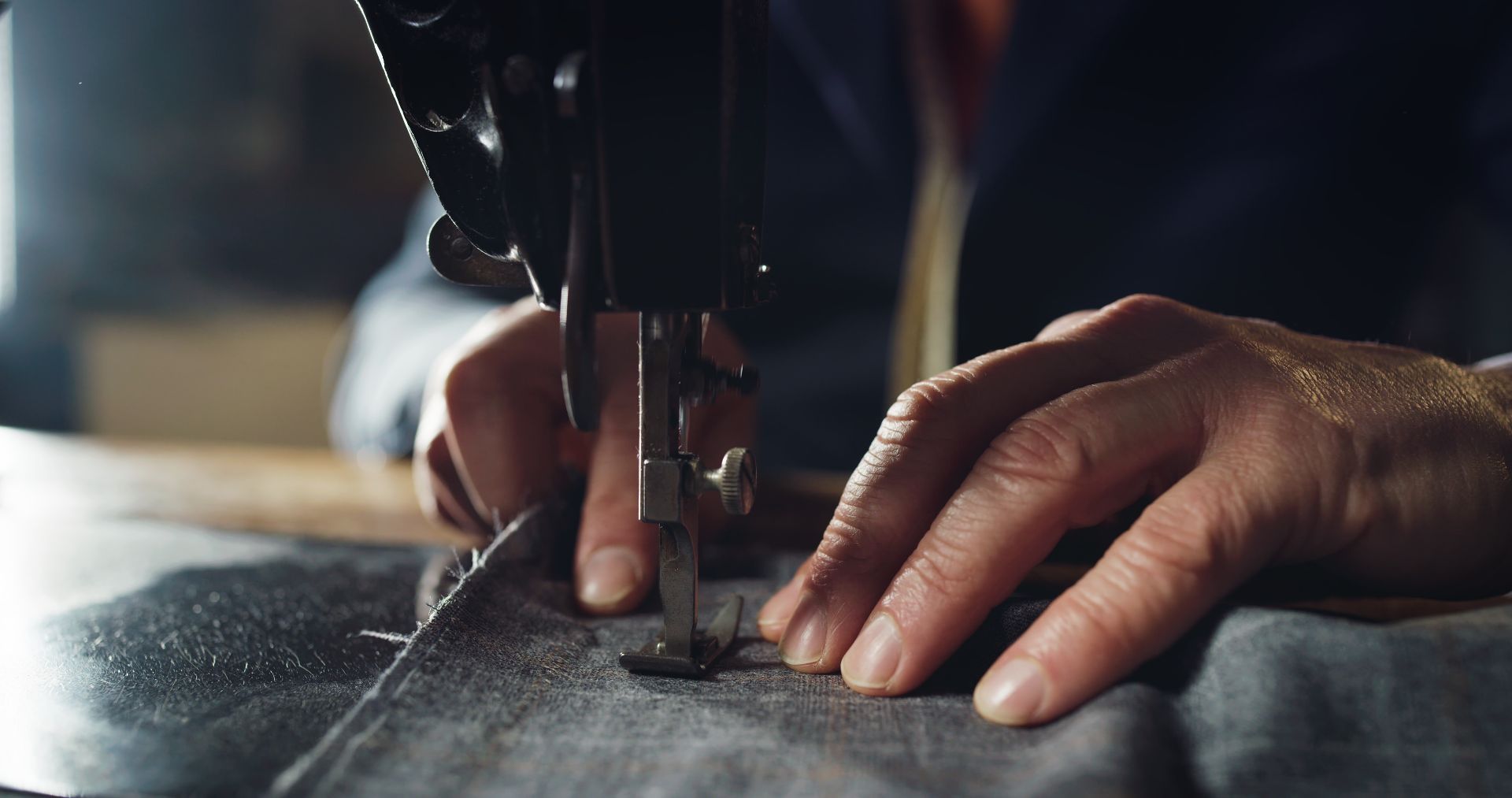
If you have ever walked into a menswear shop and wondered whether you need "tailoring" or "alterations," you are not alone. The two terms get used interchangeably, but they usually describe different levels of work. Understanding the distinction helps you make smarter decisions about your suits, dress pants, formal wear, and everyday clothing items.
Here is the simplest way to think about it: alterations adjust a garment you already own so it fits better, from a basic hem to a full structural reworking of a suit jacket. Full custom tailoring, building an entirely new garment from raw fabric, is a different and far less common service. Most menswear shops, including full-service tailoring departments, focus on the first category: taking existing pieces and making them fit exactly right.
The short answer: for the vast majority of men's clothing needs, from a simple pant hem to reshaping the shoulders on a suit jacket, alteration and tailoring services on existing garments cover it. If you can find a shop that handles that full range in-house, you get faster turnaround, consistent quality, and one trusted team for every garment you own.
What Do Alteration and Tailoring Services Actually Cover?
When people say "tailoring," they often picture a garment being built from scratch. In practice, most in-house tailoring work is much more useful day to day: it is the skilled adjustment of clothing you already own, ranging from a quick hem to significant structural changes.
Here is the range that skilled in-house tailoring can typically cover:
- Basic fit adjustments. Hemming pants, taking in or letting out a waistband, shortening sleeves on a shirt or jacket, and tapering trouser legs.
- Suit and jacket refinement. Adjusting shoulders, reshaping the chest or waist of a jacket, and other structural changes that go well beyond a simple hem.
- Minor repairs. Fixing zippers, replacing buttons, and patching worn fabric to extend the life of a garment.
- Shirt adjustments. Shortening sleeves and body length, tapering the fit through the torso, and other changes that refine an off-the-rack shirt.
What this kind of tailoring does not typically include is building a brand-new garment from raw fabric, like constructing a suit or shirt entirely from scratch. That is a separate, much rarer service (often closer to bespoke construction) and is distinct from the tailoring and alteration work most shops, including Don Alans, provide in-house.
Why the Terms Get Confused
Part of the confusion comes from how broadly "tailor" and "tailoring" are used. A tailor is simply a professional trained in altering and fitting garments, and a skilled one can handle everything from a basic pant hem to reshaping a jacket's shoulders. That is genuinely a wide range of skill and complexity, which is why some of it gets casually called "alterations" and some gets called "tailoring," even though it is all being done to a garment you already own.
The more meaningful distinction is really about scope and complexity, not a hard line between two separate services:
- Simple alterations: hemming, minor taking in or letting out, sleeve or pant length adjustments.
- Advanced tailoring work: structural changes to a suit jacket's shoulders, chest, or lapels, and other adjustments that require more experience and multiple fittings.
Both fall under the umbrella of altering an existing garment. Neither involves building something new from raw materials.
Scope of Work and Complexity
The clearest way to know what kind of appointment you need is to look at how much the garment actually has to change.
If your suit jacket fits well in the shoulders and chest but the sleeves are too long, that is a straightforward alteration. Taking in a waistband, adjusting the length on dress pants, or tapering the legs on a pair of trousers all fall into this category, and a skilled alterations expert can handle them efficiently.
More advanced work comes in when the shoulders need adjusting, the chest needs reshaping, or a garment needs more significant structural changes. These jobs demand more experience and often multiple fittings, but they are still working with the suit, jacket, or shirt you already own rather than building a new one.
For example: hemming pants is a simple fix that takes little time. Reshaping a jacket's shoulders is a more involved job requiring real skill, but it is still an alteration to an existing piece, not new construction.
Best for: most day-to-day fit needs fall into the simple alteration category. More advanced structural work is worth it for suits and jackets you plan to wear often or that are central to your professional image.
Timeline and Convenience
Turnaround time matters, especially when you are dressing for a specific event. A wedding, an interview, a formal dinner: these come with firm deadlines, and the service you choose needs to fit within them.
Simple alterations like hemming or shortening sleeves tend to move quickly, and many shops can accommodate rush requests depending on capacity. More advanced structural work, like reshaping a jacket's shoulders, takes longer and may require multiple fittings to get right.
Having both simple alterations and more advanced tailoring work handled by the same in-house team makes a real difference here. When everything stays under one roof, there are fewer handoffs, fewer delays from outsourcing, and a more consistent experience. If something needs a follow-up adjustment, you go back to the same people who did the original work. No coordination between separate vendors, no mismatched craftsmanship.
Best for: simple alterations, if your event is coming up soon. More advanced work is worth planning ahead for.
When You Need Each Type of Service
Different situations call for different levels of work. Here is how to think through common scenarios:
Off-the-rack suit purchase. You found a suit that fits well in the shoulders and chest. The sleeves need shortening, the pants need hemming, and the waist could come in slightly. This is textbook alteration territory, and simple adjustments will make the garment fit perfectly.
A wedding or formal event. High-visibility occasions raise the stakes. Many men choose to have a suit or tuxedo they already purchased fitted precisely, focusing on visibility-critical details like sleeve length, pant break, and jacket waist. For a garment that needs more than a simple hem, like reshaping the shoulders or chest, more advanced tailoring work ensures everything sits right for the big day.
Refining pieces already in your closet. As your body changes or a favorite jacket starts to feel slightly off, more advanced tailoring work can restore the fit without needing to replace the piece. This is especially worthwhile for higher-quality garments you plan to keep wearing for years.
Garment condition matters too. If a garment has minimal seam allowance, cheap construction, or worn fabric, alterations may be limited in what they can achieve. A professional tailor can assess whether the piece is worth investing in.
Best for: it depends on the situation. For day-to-day fit fixes and quick turnarounds, simple alterations cover it. For milestone events and garments worth investing in long term, more advanced structural work delivers results a basic hem cannot match.
Tailor vs Alterations: Which Should You Choose?
Choose a simple alteration if you have purchased ready-to-wear garments that need fit adjustments or you need a quicker turnaround. Hemming, sleeve shortening, and minor repairs like a broken zipper or replacing buttons are all handled here.
Choose more advanced tailoring work if a suit or jacket needs structural changes, like reshaping the shoulders or chest, or you are investing in pieces central to your professional image. This kind of work takes more skill and time, but the results show.
The real advantage comes from choosing a shop where both levels of work happen in-house, from a quick hem to a more involved structural adjustment. You get consistent quality control, faster communication, and the confidence that the same team handling every job knows your fit history.
At Don Alans in Pensacola, our in-house tailoring team handles the full range, from quick alterations on garments purchased elsewhere to more advanced structural work on suits, pants, and shirts already in your closet. If you are unsure what your garment needs, scheduling a fitting or styling appointment is the fastest way to find out. The team can assess the piece and recommend the right path forward.
.svg)
Frequently Asked Questions
Can the same person handle both simple alterations and more advanced tailoring work?
Yes. A skilled tailor is trained across the full range, from a basic hem to reshaping a jacket's shoulders and chest. That said, quality and experience vary, so it is worth confirming a tailor's background with more advanced structural work if that is what your garment needs. Working with a shop that has a skilled team handling the full range ensures consistency across every job.
How do I know if my garment needs a simple alteration or more advanced work?
Start by looking at how the garment fits in the shoulders. If the shoulder seam sits where it should, most other issues (sleeve length, waist, pant length) can be addressed through a simple alteration. If the shoulders are off, or you are seeing pulling across the chest, you may be looking at more advanced structural work. When in doubt, bring the piece in for an assessment. A quick consultation saves you from investing in the wrong fix.
What are the advantages of having alterations and tailoring work handled in-house?
The benefits are practical. Quality control stays consistent because the same team measures, fits, and finishes the work. Turnaround time improves since nothing gets shipped to a third party. Follow-up adjustments are simpler because you return to the same people who know your garments and your fit history. For men who value a proper fit and a streamlined process, an in-house team eliminates the guesswork that comes with bouncing between separate shops and outside vendors.